

Lance, a former medic still carrying a nervous tremor in his hands, checked the manifest he’d stolen from a dead courier two nights ago. “Manifest says shipping manifest says —” he stopped. The paper made no promises. “We’re close.”
, released in September 2010, marked a significant shift for the franchise as the first live-action entry filmed natively in 3D using the camera system. Below is a breakdown of exclusive editions, content, and behind-the-scenes features associated with its 2010 release. Exclusive Media Editions
: Afterlife was the first live-action video game film shot natively in 3D. Director Paul W.S. Anderson utilized the Fusion Camera System , the same revolutionary technology pioneered by James Cameron for Avatar .
Ash’s fingers trembled as he pulled the vial free. He examined glass and label as if reading a dying language. “Afterlife,” he murmured. “They tried to cheat fate with a serum to patch dying bodies. It’s clever. Terrifying.”
4.5/5 stars
, BD-Live connectivity, and a "sneak peek" at the CG animated film Resident Evil: Damnation Production & Reception Overview Resident Evil: Afterlife - Rotten Tomatoes
: The Leslie Dan Faculty of Pharmacy and the University of Toronto Scarborough provided the interior hallways and cafeteria for the prison scenes.
Resident Evil: Afterlife is often dismissed as "the one where Alice gets superpowers and fights a giant Wesker with coins." And yes, it's silly. But the —IMAX 3D, Blu-ray 3D, PS Home, iOS, and the Japanese cut—tell a story about the early 2010s media landscape. It was a time when studios genuinely believed 3D was the future, transmedia tie-ins mattered, and "exclusive" meant you had to buy specific hardware or live in a specific country.


Lance, a former medic still carrying a nervous tremor in his hands, checked the manifest he’d stolen from a dead courier two nights ago. “Manifest says shipping manifest says —” he stopped. The paper made no promises. “We’re close.”
, released in September 2010, marked a significant shift for the franchise as the first live-action entry filmed natively in 3D using the camera system. Below is a breakdown of exclusive editions, content, and behind-the-scenes features associated with its 2010 release. Exclusive Media Editions
: Afterlife was the first live-action video game film shot natively in 3D. Director Paul W.S. Anderson utilized the Fusion Camera System , the same revolutionary technology pioneered by James Cameron for Avatar .
Ash’s fingers trembled as he pulled the vial free. He examined glass and label as if reading a dying language. “Afterlife,” he murmured. “They tried to cheat fate with a serum to patch dying bodies. It’s clever. Terrifying.”
4.5/5 stars
, BD-Live connectivity, and a "sneak peek" at the CG animated film Resident Evil: Damnation Production & Reception Overview Resident Evil: Afterlife - Rotten Tomatoes
: The Leslie Dan Faculty of Pharmacy and the University of Toronto Scarborough provided the interior hallways and cafeteria for the prison scenes.
Resident Evil: Afterlife is often dismissed as "the one where Alice gets superpowers and fights a giant Wesker with coins." And yes, it's silly. But the —IMAX 3D, Blu-ray 3D, PS Home, iOS, and the Japanese cut—tell a story about the early 2010s media landscape. It was a time when studios genuinely believed 3D was the future, transmedia tie-ins mattered, and "exclusive" meant you had to buy specific hardware or live in a specific country.
Ligeti and mathematics
The renowned mathematician Heinz-Otto Peitgen talks about his friendship with György Ligeti, the composer's interest in mathematics and the discoveries of chaos theory.

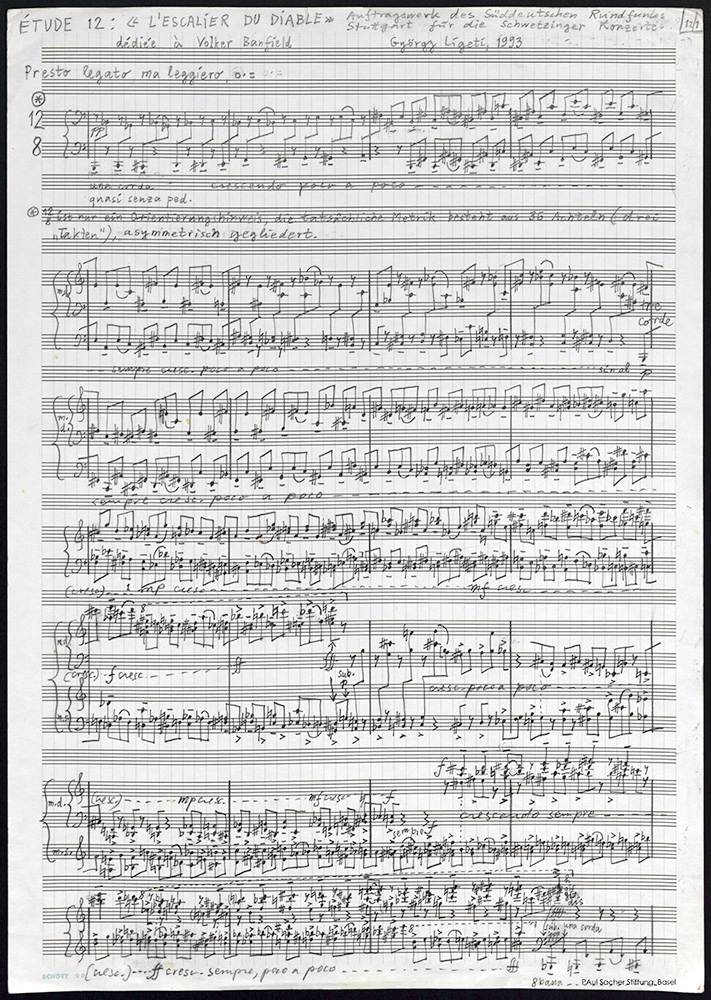
First page of the autograph fair score of L’escalier du diable (Paul Sacher Foundation, Basel).
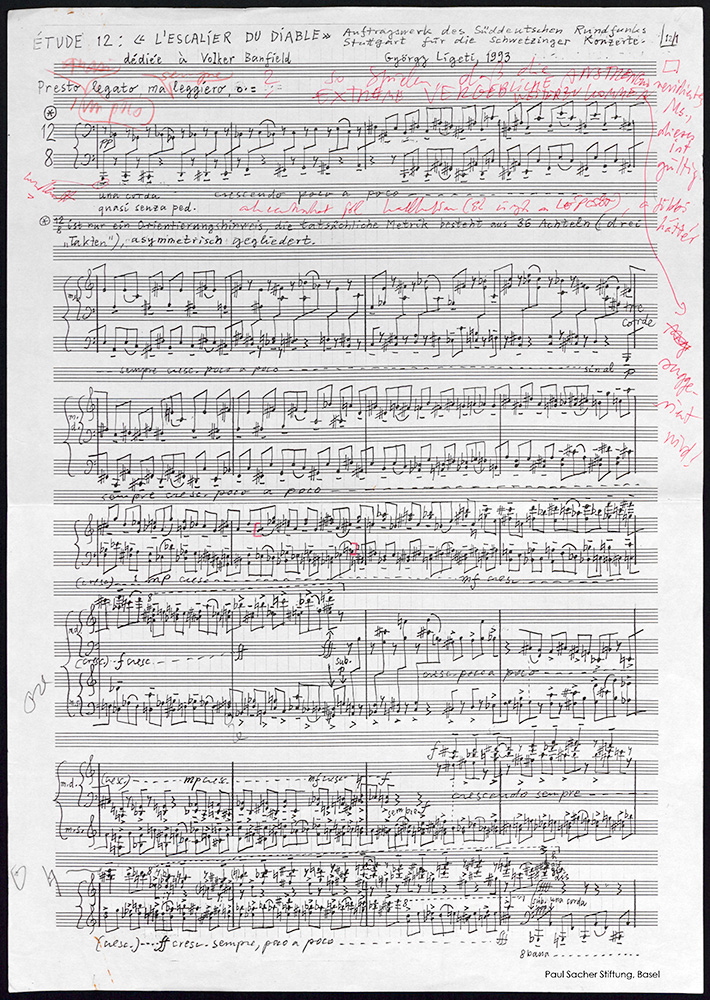
Copy of the autograph fair score of L'escalier du diable, with annotations by the composer, page 1 (detail), Paul Sacher Foundation, Basel. The inscription in the right-hand margin reads 'revised MS, this is authoritative'.
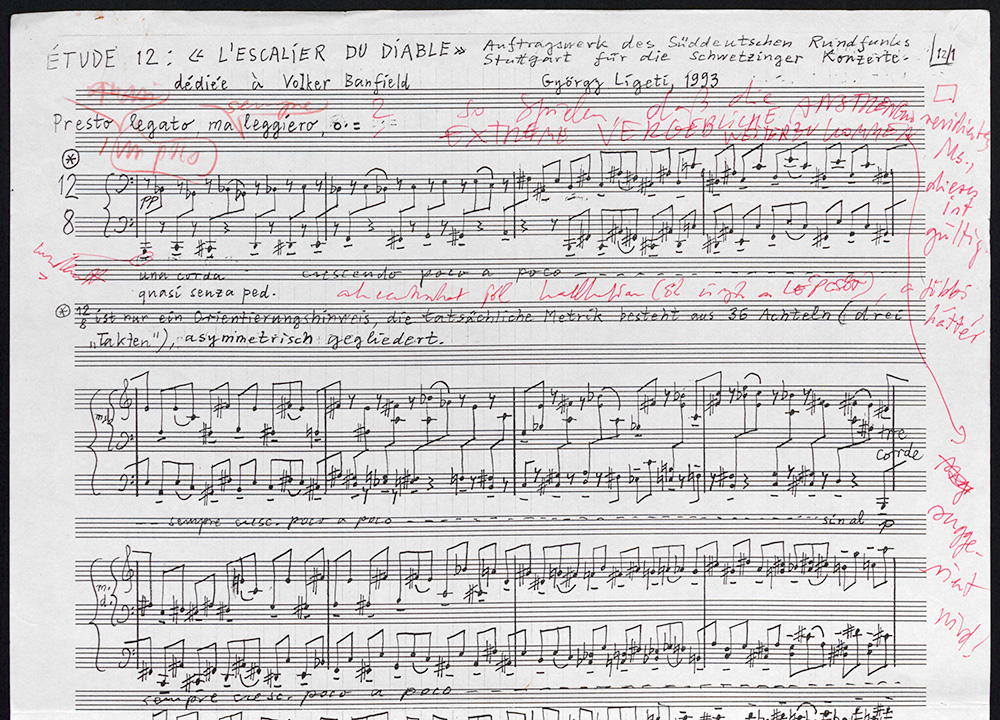
Copy of the autograph fair score of L'escalier du diable, with annotations by the composer, page 1 (detail), Paul Sacher Foundation, Basel. The inscription in the right-hand margin reads 'revised MS, this is authoritative'. resident evil afterlife 2010 exclusive
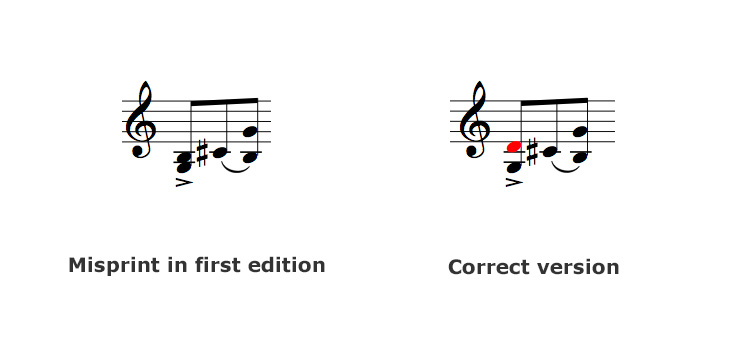
Bar 7-2: György Ligeti: Étude 13, bar 7/2, left hand, 9th – 11th quaver (eighth note)
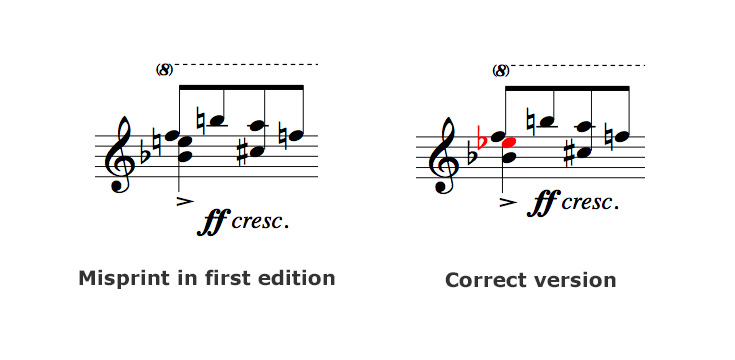
Bar 36-3: György Ligeti: Étude 13, bar 36/3, right hand, 9th – 12th quaver (eighth note) Lance, a former medic still carrying a nervous
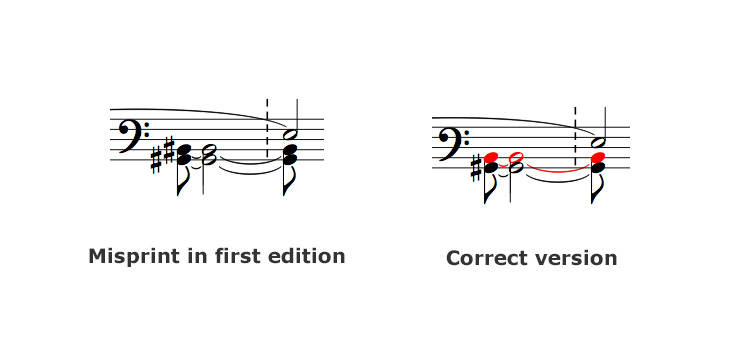
Bar 41: György Ligeti: Étude 13, bar 41/1, left hand, 8th – 12th quaver (eighth note)
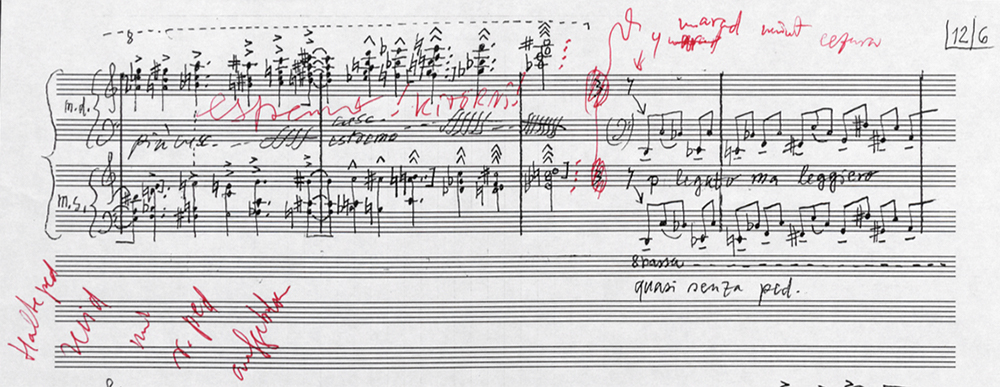
Copy of the autograph fair score of L’escalier du diable, with annotations by the composer, page 6 (detail), Paul Sacher Foundation, Basel. “We’re close
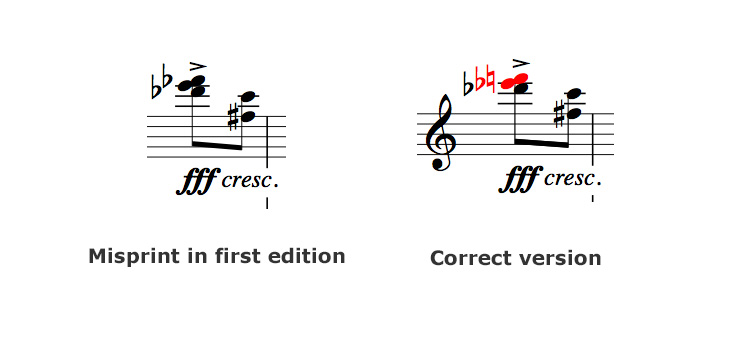
Bar 45-3: György Ligeti: Étude 13, bar 45/3, right hand, 11th – 12th quaver (eighth note)
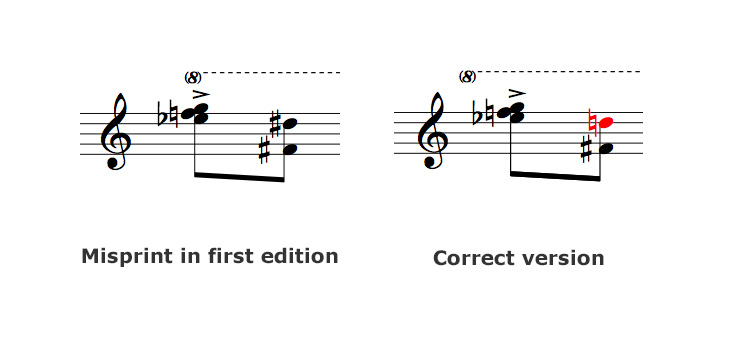
Bar 46-1a: György Ligeti: Étude 13, bar 46/1, right hand, 3th – 4th quaver (eighth note)
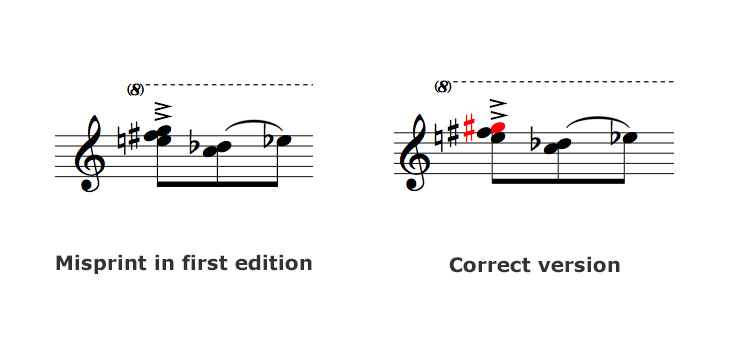
Bar 46-1b: György Ligeti: Étude 13, bar 46/1, right hand, 5th – 7th quaver (eighth note)